AI Agents for Code Review and Knowledge Sharing
AI coding agents can act as a first-pass code reviewer and knowledge capture tool. Here is how teams are using them without replacing human judgment.
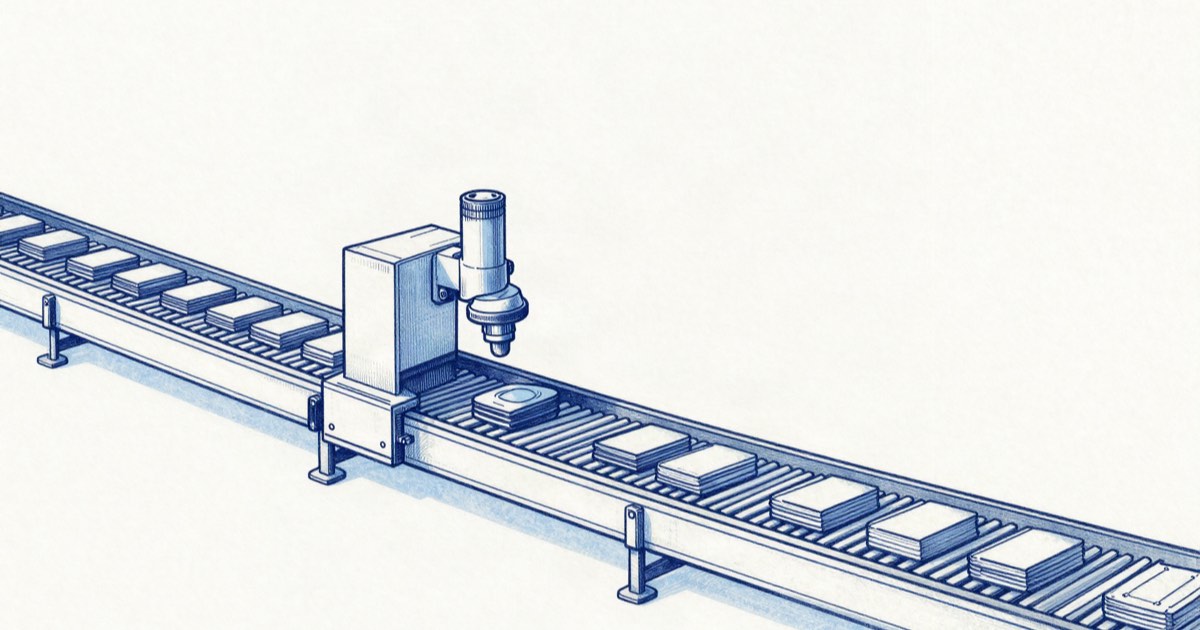
Code review is one of the most knowledge-dense parts of engineering. Every PR is a chance to share context, catch bugs, and enforce conventions. It is also slow. A human reviewer needs time to load context, read the diff, and write feedback. An AI agent can do a first pass in seconds.
We tested OpenCode as a pre-review tool: before a human looked at a PR, the agent read the diff and produced a checklist of potential issues. The results were mixed but useful.
What the Agent Catches
The agent was consistently good at spotting:
- Missing error handling. Functions that returned values without checking for failure modes.
- Obscure variable names. Names like
dataorresultthat did not describe the contents. - Dead code. Imports and variables that were no longer used.
- Test gaps. Code paths that had no corresponding test coverage.
- Style drift. Patterns that did not match the rest of the codebase.
These are exactly the kinds of comments that consume human review time but do not require deep product context.
What the Agent Misses
The agent struggled with anything requiring judgment outside the diff:
- Architectural fit. Whether a change aligned with the long-term direction of the system.
- Product intent. Whether the implementation matched the actual user need.
- Trade-off reasoning. When a simple but slightly slower solution was the right call for maintainability.
- Security context. Whether a pattern was safe in this specific domain.
Those remain human responsibilities. The agent is a linter-plus, not a senior engineer.
OpenCode
Use OpenCode for first-pass code review and knowledge capture. It reads diffs and flags common issues before a human reviewer steps in.
Free tier available
Affiliate link · We earn a commission at no cost to you.
Knowledge Sharing as a Side Effect
One unexpected benefit was explanation. When asked, “summarize what this PR changes and why,” the agent produced a concise paragraph that was useful for:
- Standup updates
- Release notes
- Onboarding documents
- Handoffs between teams
The explanation required editing, but it was a better starting point than a blank page. For teams that struggle with documentation, this alone can justify the tool.
Practical Rollout
Start with one repository and one reviewer. Have the agent produce a comment draft for each PR, and let the human reviewer decide which comments to keep. After a few weeks, you will know which categories of feedback are reliable and which are noise.
Teams that already have strong conventions and fast tests get the most value. Teams without clear standards will find the agent’s feedback too generic to be useful.
FAQ
Can an AI agent replace code review?
Does the agent understand team conventions?
How do we avoid review noise?
Tools used in this review
Some links above are affiliate links. We may earn a commission if you sign up. See our disclosure for details.
Related reading
2026-08-13
Automations Worth Building First
A sort key for your automation backlog from running scheduled agents in production: script it, agent it, or leave it a checklist -- plus three failure modes.
2026-07-16
AI Coding Agents for Data Analysis Workflows
OpenCode and similar agents can write scripts, clean data, and build charts. Where they help analysts, and where human judgment is still required.
2026-07-16
OpenCode for Documentation and Technical Writing Teams
Technical writers and documentation teams can use OpenCode to extract API changes, update code examples, and keep docs in sync with the codebase.
2026-07-16
OpenCode for Technical PMs: Review Code Without Writing It
OpenCode's terminal agent explains diffs, traces changes, and answers codebase questions without replacing your engineers' workflow.
2026-07-16
Terminal AI Agents for Non-Coding Technical Tasks
AI coding agents are not just for writing code. They can write scripts, query logs, and automate terminal tasks that technical workers deal with every day.
Get the best tools, weekly
One email every Friday. No spam, unsubscribe anytime.