Linear vs Height for Engineering-Led Teams in 2026
Opinionated workflow speed versus AI-driven triage: a hands-on look at which issue tracker fits how your team actually ships.
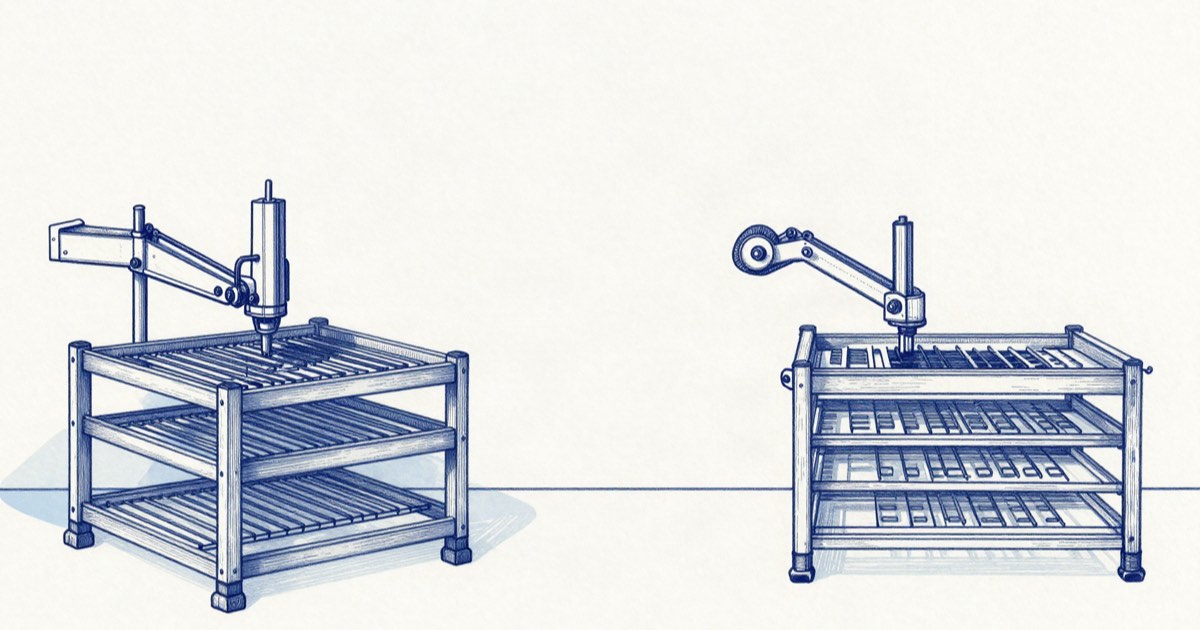
We spent two weeks running the same backlog through both Linear and Height — same engineers, same sprint cadence, same pile of half-written tickets — to see which tool an engineering-led team should actually standardize on in 2026. The short version: they solve the same problem from opposite ends. Linear bets that a fast, opinionated workflow makes your team disciplined. Height bets that an AI layer can absorb the discipline you never had.
The distinction matters because the tool you pick quietly trains your team. After a month, you stop fighting the tool and start working the way it wants you to. So the real question isn’t “which has more features” — both have plenty — it’s “which set of habits do you want your engineers to absorb.”
How they think about your workflow
Linear is the more rigid of the two, and that is the point. It ships with a defined model — issues live inside projects, projects move through cycles (its name for time-boxed sprints), and everything has a keyboard shortcut. You can reshape it, but the defaults push you toward short cycles, a clean triage queue, and small atomic issues. The published “Linear Method” reads like an engineering manifesto, and the product enforces it more than it documents it. For a team that already works in sprints and wants less debate about process, that opinionation is a feature.
Height took a sharp turn over the last two years. It rebuilt itself around an AI layer that the company markets as autonomous project management — software that triages incoming work, spots duplicate tasks, nudges stale items, drafts status updates, and answers questions about the backlog in chat. The underlying tracker is flexible (tasks, lists, spreadsheet-style views, multiple custom fields), and the pitch is that the AI handles the maintenance overhead that nobody on the team wants to own.
In practice the difference showed up immediately. In Linear, keeping the board clean is something you do, fast, with muscle memory. In Height, keeping the board clean is something you let the assistant attempt, then verify. Both work. They produce different teams.
Speed, friction, and the cost of the AI layer
The single most-cited reason engineers like Linear is latency. Navigation, issue creation, status changes, and search respond instantly, and almost everything is reachable without the mouse. Create an issue, assign it, set an estimate, drop it in the current cycle — that whole sequence is a handful of keystrokes. Over hundreds of tickets a week, the saved friction is real and it compounds. Git integration closes issues from commit messages and PR titles, which keeps the board honest without manual updates.
Height is responsive but heavier, because it is doing more. The AI features are genuinely useful when the backlog is messy: dropping a vague bug report in and getting it auto-categorized, deduplicated against an existing ticket, and routed to the right list removes work you would otherwise do by hand. The trade-off is trust. Autonomous triage is helpful until it miscategorizes something important, and the only way to catch that is to review what the assistant did — which is its own, quieter form of overhead. Teams that adopt Height successfully tend to treat the AI as a fast first-pass assistant, not a replacement for a human owner.
A few practical observations from the two-week run:
| Dimension | Linear | Height |
|---|---|---|
| Core bet | Speed + opinionated process | AI that absorbs process overhead |
| Issue creation | Keyboard-first, near-instant | Standard forms; AI can draft/route |
| Backlog hygiene | You do it, fast | Assistant attempts, you verify |
| Best fit | Teams already working in sprints | Teams drowning in unstructured input |
| Main risk | Rigidity chafes loose teams | Misplaced trust in autonomous triage |
Pricing and the lock-in question
As of early 2026, both offer a free tier suitable for small teams and per-seat paid plans that unlock larger histories, more integrations, and admin controls. Linear’s paid tiers are priced per active user per month and scale up for advanced security and admin needs; Height is similar, with the AI capabilities concentrated in its paid plans. For a team of ten, neither is going to be the line item that hurts — engineering time spent fighting or babysitting the tool will cost far more than the subscription either way.
The more important cost is switching. Both tools become the system of record for how work moves, and migrating issue history, custom fields, and automation between trackers is never as clean as the import wizard promises. Pick the one whose default behavior you’d be happy living inside for two years, not the one that demos best in twenty minutes.
If your team’s real gap is documentation and cross-functional planning rather than pure issue tracking, you may not be choosing between these two at all — a connected docs-and-database tool can sit alongside either tracker and hold the specs, decisions, and roadmaps that an issue tracker isn’t built for.
Notion
A connected workspace for specs, roadmaps, and decision docs that pairs with whichever tracker you standardize on — keep planning context out of the issue queue.
Free for personal use; paid team plans per member/month
Affiliate link · We earn a commission at no cost to you.
Our read after the trial: choose Linear if your team already ships in cycles and you want a tool that rewards discipline with speed. Choose Height if your backlog is a chaotic intake problem and you want AI to do the first pass of sorting it out. The wrong move is picking the AI-heavy tool to paper over a process you haven’t defined — the assistant will faithfully organize a mess into a tidier mess.
FAQ
Is Linear or Height better for a small startup engineering team?
Can Height's AI fully replace a project manager or triage owner?
How hard is it to migrate from one to the other later?
Related tools
Beehiiv
Newsletter platform with built-in ad network and Boost referrals.
Try Beehiiv →
Webflow
Visual site builder with real CSS export and a CMS that scales.
Try Webflow →
Audiorista
No-code audio app builder for podcasters and audio creators.
Try Audiorista →
Some links above are affiliate links. We may earn a commission if you sign up. See our disclosure for details.
Related reading
2026-08-12
Cal.com vs Calendly vs SavvyCal for Async Teams (2026)
Self-hosting, per-seat pricing, and availability limits compared, plus which booking pattern each tool actually fits.
2026-08-12
1Password vs Bitwarden vs Proton Pass for Small Teams (2026)
For teams of 3-15: how each handles credential sharing, offboarding, recovery, and CI secrets, not enterprise IAM features.
2026-08-12
Linear vs Jira vs Height in 2026 for Teams of 3-25
Setup cost, cycle models, git integration, and where each tool stops fitting teams on weekly release cycles.
2026-06-22
Cron vs Notion Calendar: The Comparison That Became One App
Here's what changed for makers who want a keyboard-first calendar that protects focus time, and what the switch from Cron means day to day.
2026-06-22
Async Standup Tools for Distributed Teams in 2026
Geekbot, DailyBot, Range, and a DIY Notion setup compared on cost, integrations, and how much noise each one adds.
Get the best tools, weekly
One email every Friday. No spam, unsubscribe anytime.